Input and Output Devices
The devices that get data in and results out, and where each is the right choice.
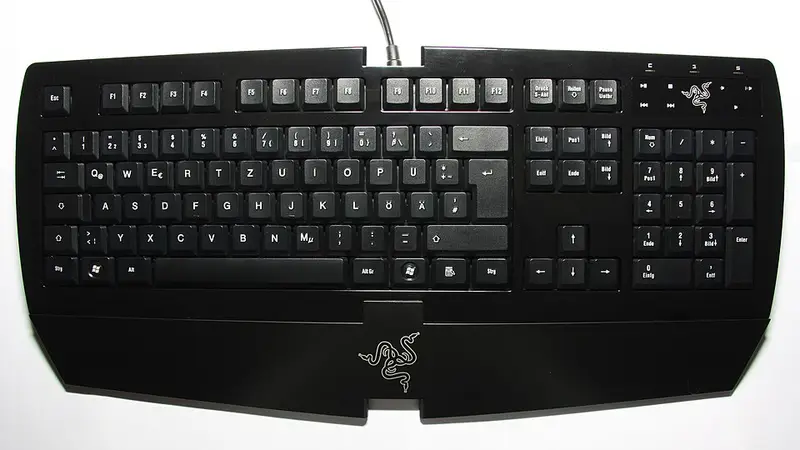
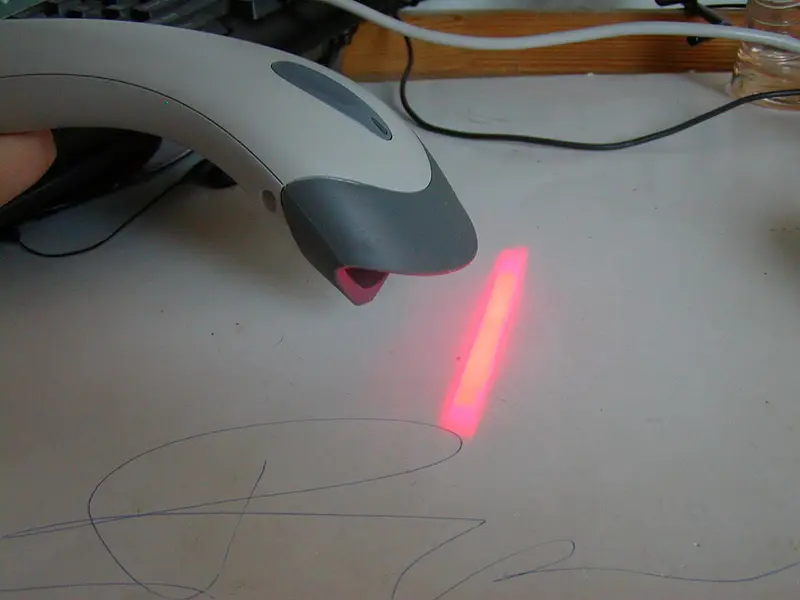
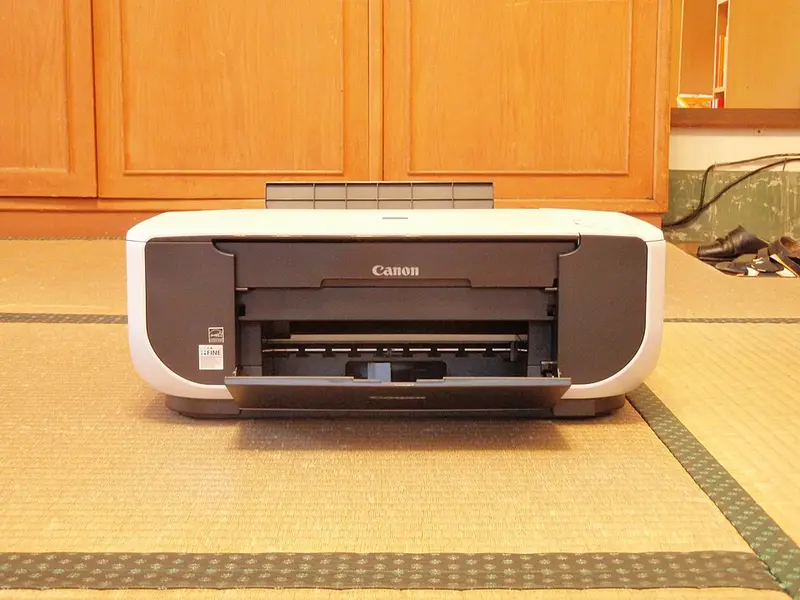
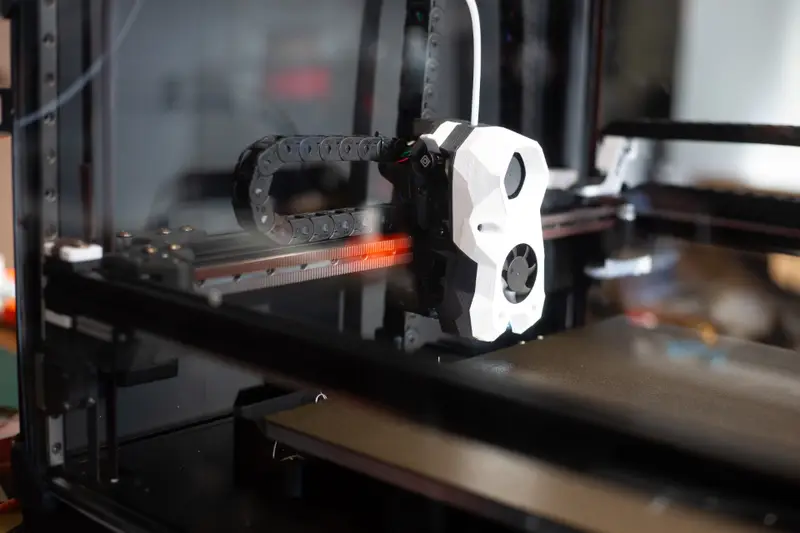
Sort each device by what it does for the computer.
PICK ONE, THEN PICK ITS GROUP
- empty
- empty
- empty
//Sensors you must know
Each sensor measures one physical quantity and sends it as data to a system: temperature, moisture, humidity, light, infra-red, pressure, acoustic, gas, pH, magnetic field, proximity, level, motion. Be ready to pick the right one for a scenario — a greenhouse needs temperature, moisture and light; a burglar alarm needs infra-red and pressure.
//Touch screen types
Resistive: two layers pressed together — cheap, works with gloves, but poor durability and no multi-touch. Capacitive: senses the body's charge — good visibility and multi-touch, but needs bare skin or a special stylus. Infra-red: beams across the screen — works with any object, but is affected by strong light.
//Printer choice
Inkjet: excellent photo quality, cheap printer, expensive ink, slow for large jobs — good for home. Laser: fast, cheap per page, high volume — good for an office. 3D printer: builds an object in layers from a design file, used for prototypes and medical models.
CHECK YOURSELF
1.A greenhouse system must monitor the growing conditions. Which sensors fit best?
2.Which printer suits a busy office printing thousands of pages?
3.Why does a capacitive touch screen not work through thick gloves?